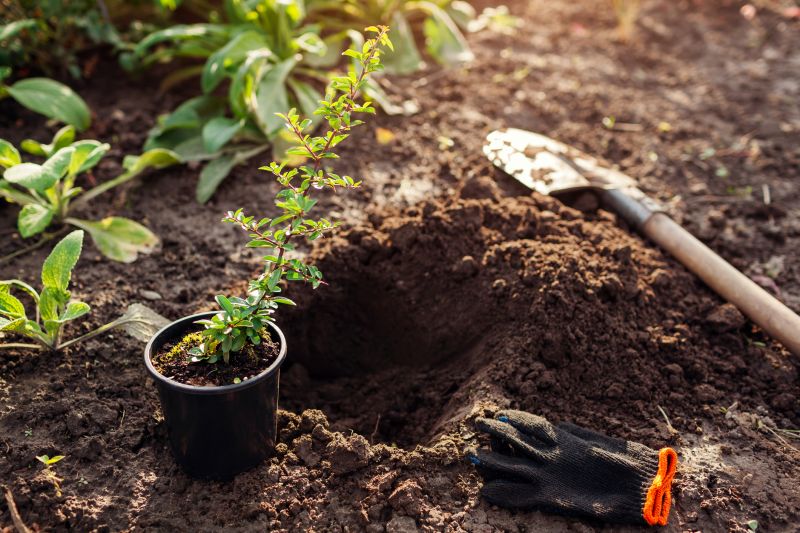
Plant Replacement in Honolulu, HI
Plant replacement services involve removing existing plants, such as trees, shrubs, or decorative plants, and installing new ones to enhance the appearance and health of a property. These projects often include replacing damaged or overgrown vegetation, updating landscaping designs, or introducing new plant varieties to suit changing aesthetic preferences or environmental conditions. Homeowners typically seek this service to improve curb appeal, address plant health issues, or ensure their landscape remains vibrant and well-maintained.
Before requesting plant replacement, property owners usually want to understand the specific types of plants suitable for their local climate, soil conditions, and yard layout. They may also consider factors like plant size, growth habits, and maintenance requirements to ensure the new plants will thrive over time. Clarifying goals for the landscape and any preferences for native or ornamental species can help guide the selection process and achieve a balanced, attractive outdoor space.
Many property owners in Honolulu, HI look into Plant Replacement for repairs, replacements, upgrades, and appearance-related improvements.
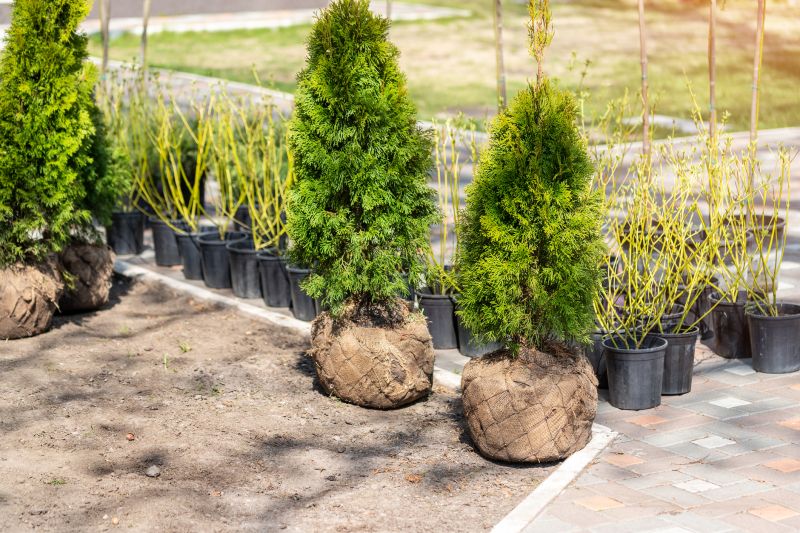
Plant Replacement Options
Choosing the right plants can enhance the beauty and functionality of your landscape.
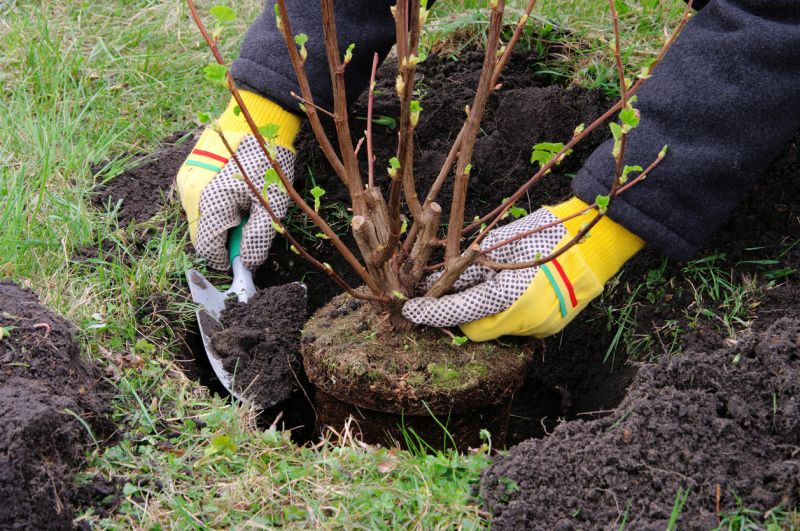
Signs You Need Replacement
Wilting, discoloration, or overgrown plants may indicate it’s time for a replacement.
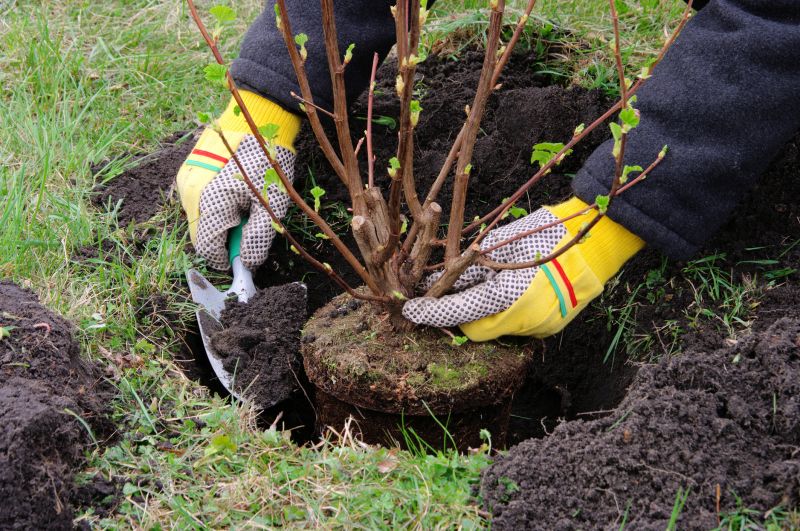
Benefits Of Plant Replacement
Updating your landscape with new plants can improve curb appeal and increase property value.
Plant Replacement in Honolulu, HI
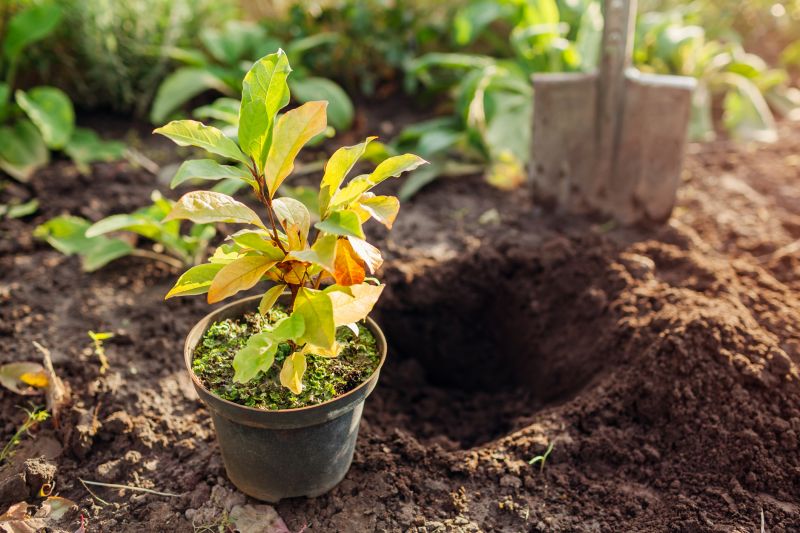
Plant replacement services involve removing existing plants, such as trees, shrubs, or decorative plants, and installing new ones to enhance the appearance and health of a property. These projects often include replacing damaged or overgrown vegetation, updating landscaping designs, or introducing new plant varieties to suit changing aesthetic preferences or environmental conditions. Homeowners typically seek this service to improve curb appeal, address plant health issues, or ensure their landscape remains vibrant and well-maintained.
Before requesting plant replacement, property owners usually want to understand the specific types of plants suitable for their local climate, soil conditions, and yard layout. They may also consider factors like plant size, growth habits, and maintenance requirements to ensure the new plants will thrive over time. Clarifying goals for the landscape and any preferences for native or ornamental species can help guide the selection process and achieve a balanced, attractive outdoor space.
Many property owners in Honolulu, HI look into Plant Replacement for repairs, replacements, upgrades, and appearance-related improvements.
Common Plant Replacement Jobs
Tree Replacement - involves removing and replacing mature trees to improve landscape health and safety.
Shrub Replacement - updates or replaces overgrown or damaged shrubs to enhance curb appeal.
Flower Bed Plants - involves replacing seasonal or dead plants to maintain vibrant garden beds.
Ornamental Tree Replacement - replaces decorative trees to improve aesthetics and property value.
Fruit Tree Replacement - swaps out unproductive or damaged fruit trees for healthier options.
Landscape Plant Replacement - refreshes entire planting areas to ensure consistent growth and appearance.
Plant Replacement Questions
When should a plant be replaced? Replacement is recommended when a plant shows signs of decline, disease, or no longer fits the landscape design.
What types of plants are suitable for replacement? Hardy, low-maintenance plants that thrive in Honolulu’s climate are commonly used for replacement projects.
How can I prepare for a plant replacement? Clearing the area and removing dead or damaged plants helps create a suitable space for new plantings.
What benefits come with plant replacement? Replacing plants can improve landscape appearance, promote healthier growth, and enhance property value.
Request Plant Replacement in Honolulu, HI
Use the quote form on this page to share the basics of your project and request more information for the type of work you need.